

Buying Bunk Beds Kids
Bunk beds kids allow siblings to share a room without compromising their personal space and are an ideal option for sleepovers. Depending on the model that you choose, these beds might have stairs or ladders that access the top bunk. Additionally, they can be made using a variety of materials including metal and wood.
Size
Check the dimensions of your space with the measurements of a bunk bed before you buy it. You'll need to make sure there's enough room for your children to climb up the ladder or steps (if they're included) and move around the loft without bumping into furniture or walls. You should also consider the dimensions of the bunk bed and headroom in relation to your child's sitting and standing height. You might need to purchase a smaller bunk to fit children who are younger, while older children may prefer a higher-upset.
Bunk beds for kids usually come in two styles that are twin-over-twin or full-over-full. Both are great options for accommodating multiple children in one room. Some bunks come with an trundle that can accommodate additional guests during sleepovers. If your children are still young, choose a low-level bunk bed that's bottom bunk does not exceed 50 inches above the floor. This will keep your children from falling out of their beds, which is risky for safety.
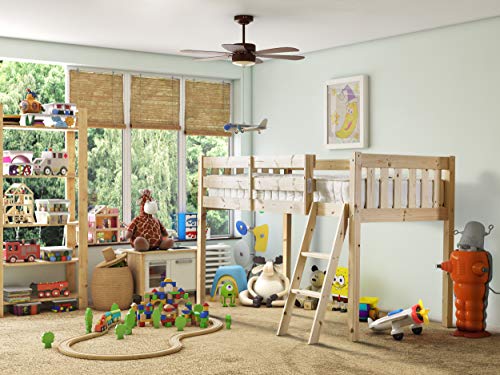
The distance between the top bunk and the guardrails is another aspect to take into consideration. The CPSC recommends that the height of the top mattress be no more than 5 inches above the guardrail. This will stop your child from rolling out of bed in the middle night and into the guardrails. This could lead to the entrapment of a child, or even an accident.
The most suitable bunk beds for children are built with sturdy materials and meet CPSC safety standards, says Ganjian. You'll also want to examine the construction of each bed to ensure it's constructed from high-quality wood and isn't overly fragile or unstable. Some of the top bunk beds for kids also have mortise and tenon joinery and are Greenguard Gold Certified.
If you're decorating an extra bedroom for guests, preparing a vacation home or bunking up your own kids, this triple bunk from Pottery Barn is a smart option. It's easy to set up with the included tools and can be converted into three free-standing beds in the event that your children outgrow the arrangement. It's available in a soothing neutral finish that blends with both muted and vibrant color schemes, including the weathered navy and brushed gray.
Safety
A bunk bed can be an exciting and enjoyable element to add to a child's space However, it can also be a risk if not properly assembled or used. Bunk bed-related injuries may occur in children of all ages however, they are most common to children younger than six. It is essential to adhere to the manufacturer's safety and assembly instructions and use the correct mattress size, and place the bunk beds so that they don't interfere with heaters, windows, or hanging lights. It is recommended also to regularly inspect the bed for signs of wear and tear and make repairs should they be required.
The top bunk's height should be kept to a maximum of 4 feet. There should also be guardrails on both sides of the bed. The space between guardrails should not be more than 3 1/2 inches to prevent suffocation. This will also ensure that your child doesn't fall under the guardrail when sleeping. The mattress at the bottom should be supported by slats or wires that run directly underneath the bunk. They should be fastened with a secure nut at both ends to avoid the possibility of a gap that your child could fall through.
The ladders or stairs must be attached to the bunk bed. They should be secure, and offer a safe way of climbing to the upper level. Make sure the ladder isn't near any dangers and that your kids know they can only use it to get into bed. Also, avoid rough play on the bunks since it could affect the stability of the structure.
It is not possible to determine a specific age for children to sleep in bunk beds. However, a lot of experts recommend that kids do not sleep on the top bunk until they're at least six years old age and are mature enough to remain still while sleeping. If you are unsure of your child's ability to climb on the top bunk, you could consider an adult-sized or twin bunk.
Style
Bunk beds let kids share a room and stay close to their siblings while maximizing space. They are also a fun way to make sleepovers for all involved. Bunks with desks are ideal for teenagers and older children because they combine sleep and study furniture in one. Bunks with stairs or ladders will make climbing up to the top bed safer and easier for kids of all age groups. You can customize your bunk bed by selecting the size, style and other features you'd like.
The type of mattress you choose will determine the level of comfort your bunk bed will feel. At Slumberland we have a wide selection of premium-quality mattresses for all kinds of bunk beds. We have innerspring, hybrid memory foam, and other types of mattresses of all sizes.
Stairs and ladders are another options to be thinking about, along with safety rails and extra storage. Some bunk beds feature standard ladders that attach to the sides of the frame, whereas others have a set of stairs that are built into the frame. Staircases are an ideal choice for older children and teenagers because they are more secure than standard ladders, and provide an elegant, modern design.
You can also personalize the bunks by choosing a color scheme that matches your children's personalities or the decor in the other rooms. Some bunk beds are painted in white, while others are made in dark cherry wood or natural wood. If you're buying a bed made of wood, you can choose to paint it to be in line with the color scheme of the room your children are in or stain it to keep a natural appearance.
To add a personal touch to your bunks, you can purchase decorative lighting that matches the theme or design of the room. For instance, recessed lighting can be installed in the ceiling to give plenty of light without occupying floor space. If you're using a steel or wood bunk bed, you can also add swag lighting, which hangs from the ceiling and provides soft light.
Stores
The majority of bunk beds are distinguished by their capacity to increase the space available in your child's bedroom. This is accomplished by putting two mattresses on top of each other. The design of these beds often allows for the beds to remain stacked while your kids grow into teens and tweens or be divided into separate free-standing bed frames, which is ideal for families that may move often or have a smaller home.
These beds are available in a variety of configurations, including traditional twin over twin or twin over full and queen over queen options available (like the Crate & Barrel Babyletto TipToe White & Washed Natural Wood Bunk Bed). Some can be configured with different heights, and some include a step-ladder that is angled for easier climbing.
When choosing a bunk bed, you should be aware of the structure. Some models are made of a mixture of medium density fibreboard and kiln dried hardwood. While the former is less expensive and offers a more contemporary look while the latter is sturdier and more durable.
Bunks with trundle mattresses are ideal for sleepovers. Some models let you add another trundle with an alternative configuration. These models can sleep up to three children or adults. This is perfect for a shared bedroom that encourages family bonds and fosters friendships.
The color and design are the last things to consider. Crisp whites, neutral greys and muted finishes in clay are all a great match for any bedroom decor. A clean white bunk is a good option for bright, cottage or coastal bedrooms. A neutral gray or clay finish will go with any palette as your child grows.
While the price of a bunk bed may differ, the majority of models have an affordable price which is comparable to other kinds of furniture for bedrooms. Some lower-priced bunk beds are made with cheaper materials, but many of our top-rated models are sturdy enough to last beyond childhood.